
The global shortening market is entering a pivotal year in 2025. Valued at USD 5.42 billion this year, it is projected to reach USD 7.85 billion by 2034, growing steadily at a CAGR of 4.2%. As consumer preferences shift toward plant-based, healthier, and trans-fat-free options, shortening manufacturers are innovating at a rapid pace to meet evolving demands.
For bakers, food processors, and industrial manufacturers, 2025 is not just another year it’s the year to align with sustainability, health trends, and technological innovation. Let’s explore the market dynamics, key players, and what the next decade could hold.
Key Takeaways for 2025
- Market Expansion: Asia Pacific dominates the market, while the Middle East & Africa are growing fastest.
- Palm Oil Leadership: Palm oil-based shortenings hold the largest share, though canola-based variants are gaining momentum.
- Solid vs Emulsified: Solid shortenings dominate, but emulsified shortenings are expected to grow fastest due to superior baking performance.
- Bakery & Confectionery Focus: These segments continue to lead demand, while ready meals and processed foods are emerging growth areas.
- Health-Forward Products: Non-hydrogenated and trans-fat-free shortenings are increasingly preferred by consumers and manufacturers.
Want to Explore More? Get a Free Sample Report:
https://www.towardsfnb.com/download-sample/5721
The 2025 Buyer Playbook: What Drives Shortening Decisions
Buyers in 2025 are influenced by multiple factors:
-
Health & Nutrition: Rising awareness of heart health and trans fats drives demand for non-hydrogenated and trans-fat-free shortenings.
-
Functionality: Solid, emulsified, and powdered shortenings are chosen based on baking, frying, or food processing requirements.
-
Supply Chain Reliability: B2B buyers prioritize vendors that provide consistent quality, timely delivery, and scalability.
-
Sustainability & Clean Labeling: Buyers favor companies offering plant-based, eco-friendly, and traceable products.
-
Innovation & Customization: Manufacturers look for specialized shortenings that enhance texture, shelf life, and flavor in bakery and processed foods.
In-Depth Company Profiles: The Market Leaders in 2025
Here’s a detailed look at 10 major players, their strategies, and outlooks:
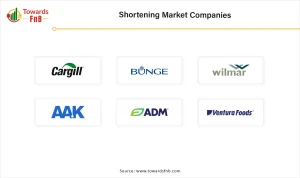
1. Cargill, Inc.
- Overview: A global agribusiness and food ingredient leader providing vegetable oils and shortenings.
- Recent Moves: In July 2024, Cargill innovated shortening methods for industrial baking products.
- Competitive Edge: Extensive R&D, global supply chain, and sustainable sourcing practices.
- Future Outlook: Focus on plant-based, non-hydrogenated, and trans-fat-free shortenings for bakery and foodservice industries.
2. Bunge Limited
- Overview: Multinational company supplying oils, fats, and shortenings for industrial and retail applications.
- Recent Moves: Partnered with Cargill and Wilmar for innovative shortening solutions.
- Competitive Edge: Strong presence in North and South America, expertise in oil processing, and efficient distribution networks.
- Future Outlook: Expand into specialty shortenings and digital supply chain integration for B2B clients.
3. Wilmar International
- Overview: Singapore-based agribusiness giant with strong vegetable oil and shortening production.
- Recent Moves: Collaborated with Cargill and Bunge to respond to changing consumer tastes in baked products.
- Competitive Edge: Asia-Pacific dominance, palm oil integration, and industrial-scale production capabilities.
- Future Outlook: Focus on sustainable palm-based shortenings and emerging markets in MEA and Asia.
4. AAK AB
- Overview: Swedish company specializing in value-added vegetable oils, including shortenings for industrial use.
- Recent Moves: Developed emulsified shortenings with enhanced texture and moisture retention for bakery applications.
- Competitive Edge: Innovation in specialty fats, global R&D network, and sustainable sourcing certifications.
- Future Outlook: Expand in premium bakery fats, plant-based, and non-hydrogenated products.
5. Archer Daniels Midland (ADM)
- Overview: Global food processing and agricultural company supplying vegetable oils and shortenings.
- Recent Moves: Introduced functional shortenings for processed foods and ready meals.
- Competitive Edge: Vertical integration, large-scale production, and strong presence in North America and Europe.
- Future Outlook: Increase offerings in health-oriented shortenings and trans-fat-free alternatives.
6. Ventura Foods
- Overview: U.S.-based manufacturer of shortenings, oils, and specialty fats for foodservice and industrial clients.
- Recent Moves: Expanded trans-fat-free and non-hydrogenated product lines to meet regulatory and health demands.
- Competitive Edge: Customer-centric solutions, strong foodservice relationships, and consistent quality.
- Future Outlook: Focus on clean-label fats and premium bakery shortenings for industrial and QSR clients.
7. IFFCO Group
- Overview: India-based conglomerate producing edible oils and shortenings across APAC.
- Recent Moves: Launched canola oil-based shortening for industrial bakery and confectionery use.
- Competitive Edge: Regional dominance, cost-effective production, and strong government partnerships.
- Future Outlook: Growth in emulsified and specialty shortenings for emerging markets.
8. Fuji Oil Holdings Inc.
- Overview: Japan-based company offering fats, oils, industrial chocolate, and shortening products.
- Recent Moves: Expanded technology and production capabilities in 2024 for improved baking fats and emulsified shortenings.
- Competitive Edge: Advanced production technology and strong foothold in Asia’s industrial bakery sector.
- Future Outlook: Focus on high-value shortenings, functional fats, and expanding international footprint.
9. PT SMART Tbk (Sinar Mas Group)
- Overview: Indonesia-based producer of palm oil and shortening for regional and export markets.
- Recent Moves: Optimized production processes to deliver healthier, low-saturated fat palm-based shortenings.
- Competitive Edge: Large-scale palm oil integration, Asia-Pacific market leadership, and sustainability certifications.
- Future Outlook: Expand product range with non-hydrogenated and emulsified shortenings for bakery and processed food segments.
10. Mewah Group
- Overview: Singapore-headquartered supplier of vegetable oils, fats, and shortenings globally.
- Recent Moves: Developed bulk and retail shortenings for industrial and foodservice applications.
- Competitive Edge: Strong APAC presence, bulk supply capabilities, and competitive pricing.
- Future Outlook: Grow in functional fats, trans-fat-free solutions, and specialty bakery shortenings.
Invest in Our Premium Strategic Solution: https://www.towardsfnb.com/checkout/5721
Why Competition Is Intensifying
Several trends are heating up the shortening market in 2025:
-
Health & Wellness Trends: Consumers demand non-hydrogenated, trans-fat-free, and plant-based alternatives.
-
Bakery Innovation: Specialty fats and emulsified shortenings are critical for premium baked goods.
-
Global Expansion: APAC, MEA, and emerging markets are attracting both local and multinational players.
-
Sustainability Pressure: Palm oil certifications, eco-friendly production, and traceable supply chains differentiate leaders.
-
Technological Advances: Advanced emulsifiers, functional fats, and customized shortening blends drive competitive advantage.
What’s Next: 2025-2030 Outlook
From 2025 to 2030, the shortening market will evolve around:
- Plant-Based & Health-Focused Shortenings: Demand for non-hydrogenated, trans-fat-free, and canola-based shortenings will accelerate.
- Emulsified & Functional Fats: Enhanced texture, aeration, and shelf-life solutions will drive adoption in bakery and confectionery.
- Emerging Market Growth: MEA and Asia Pacific will continue leading growth through industrial expansion and regulatory support.
- Digital & B2B Integration: Online retail and digital procurement platforms will streamline supply chains and increase sales efficiency.
- Sustainability & Clean Labels: Consumers will increasingly choose eco-friendly, traceable, and transparent shortening products.
Future Outlook
2025 is shaping up as a defining year for the shortening market. Buyers, from industrial food manufacturers to foodservice chains, can expect more tailored, healthier, and functional fats. Investors will find opportunities in plant-based, emulsified, and trans-fat-free segments. For industry leaders, innovation, sustainability, and global expansion will be critical to staying competitive.
The market is no longer just about fats it’s about health, functionality, and sustainable growth, paving the way for a new era of baking and processed food excellence.
Become a Valued Research Partner with Us – Schedule a meeting: https://www.towardsfnb.com/schedule-meeting
Feel Free to Get in Touch with Us for Orders or Any Questions at: sales@towardsfnb.com
Unlock expert insights, custom research, and premium support with the FnB Market Pulse Annual Membership. For USD 495/month (billed annually), get full access to exclusive F&B market data and personalized guidance. It’s your strategic edge in the food and beverage industry: https://www.towardsfnb.com/get-an-annual-membership
About Us
FnB Market Pulse is a global consulting firm specializing in the food and beverage industry, providing innovative solutions and expert guidance to elevate businesses. With an in-depth understanding of the dynamic F&B sector, we deliver customized market analysis and strategic insights. Our team of seasoned professionals is committed to empowering clients with the knowledge needed to make informed decisions, ensuring they stay ahead of market trends. Partner with us as we redefine success in the rapidly evolving food and beverage landscape, and together, we’ll navigate this transformative journey.
and more pressure to curate. For investors, the category offers stable growth with pockets of high-margin innovation. For leaders, the future belongs to those who modernize fast, understand flavor-driven emotions, and stay agile across retail and digital landscapes.