
The global herbal beverages market from loose-leaf tisanes and ayurvedic juices to modern RTD adaptogen blends was USD 1.96 billion in 2024 and is set to reach USD 2.10 billion in 2025, on track for USD 3.82 billion by 2034 at a 6.9% CAGR (2025–2034). What makes 2025 special? It’s the year functional and herbal drinks move from niche wellness aisles into everyday baskets, powered by clean-label expectations, immunity and energy use-cases, and a flood of flavor innovation that finally makes “healthy” taste craveable.
Key Takeaways for 2025
- North America leads; Asia Pacific accelerates. The U.S. anchors global share on the back of product innovation and clean-label demand, while APAC posts the fastest growth thanks to deep herbal traditions and modern formulations.
- Convenience wins the shelf. Loose-leaf teas still dominate, but ready-to-drink (RTD) is the fastest climber as busy consumers trade ritual for grab-and-go.
- Format & pack matter. Liquids lead usage; sachets own at-home trial and portion control, while tetra packs race ahead for ambient, portable wellness.
- Wellness with proof. Top purchase jobs: energy and immunity today; detox surges next as consumers lean into preventive health.
- Flavor is the new science. Innovation in botanicals (ashwagandha, tulsi, ginseng) meets bolder taste architecture less medicinal, more memorable.
Want to Explore More? Get a Free Sample Report:
https://www.towardsfnb.com/download-sample/5547
The 2025 Buyer Playbook: What Actually Closes the Sale
- Functional credibility you can read in five seconds.
Clear, front-of-pack benefits (“immune support,” “sustained energy”) with plain-English plant callouts (ginger, elderberry, turmeric). QR codes to third-party testing help win trust without jargon. - Convenience without compromise.
RTD cans and tetra packs close weekday occasions; sachets win the office drawer and travel bag. Consumers want no-prep or one-step prep anything else risks being weekend-only. - Flavor first, function second (but both must deliver).
Taste is the gatekeeper. Citrus-ginger, berry-hibiscus, yuzu-mint, and spiced rooibos are outperforming “plain chamomile.” The fastest repeat rates come from familiar + botanical twist. - Clean label plus provenance.
Short ingredient lists and traceable herbs are now table stakes. Buyers reward brands that disclose origin (Darjeeling, Nilgiri, Yunnan) and sustainable farming practices. - Price-pack architecture for discovery.
Entry sachets convert skeptics; mid-size multipacks drive pantry loading; premium glass or sleek aluminum signals “giftable wellness.” Tiering matters across retail and DTC.
In-Depth Company Profiles: The Market Leaders in 2025
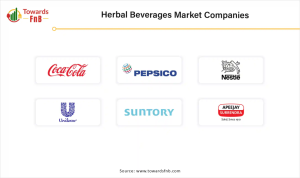
1. Coca-Cola
- Overview: A hydration powerhouse exploring functional whitespace beyond cola, with investments and partnerships in teas and plant-based refreshment.
- Recent Moves: Portfolio testing around no-sugar, botanical-forward concepts; selective regional plays in brewed and cold-infused formats.
- Competitive Edge: Unmatched distribution and revenue-growth management (RGM) to place herbal SKUs where impulse meets wellness.
- Outlook: Expect targeted RTD herbals in convenience and foodservice to defend day-time occasions as soda moderation continues.
2. PepsiCo
- Overview: From energy to hydration, PepsiCo blends performance branding with better-for-you claims.
- Recent Moves: Flavor-led innovation and zero-sugar lines; cross-category learnings from sports and energy inform herbal positioning (focus on “feel it now” benefits).
- Competitive Edge: Marketing heft and fast flavor iteration cycles; ability to scale hero SKUs globally.
- Outlook: Likely to lean into energy + immunity herbals to catch mid-morning and late-afternoon slumps.
3. Nestlé
- Overview: A nutrition-first portfolio with growing focus on functional beverages and wellness drinks.
- Recent Moves: Herbal-based wellness launches that balance taste with substantiated claims; smart use of medical-nutrition cred to enhance consumer trust.
- Competitive Edge: R&D depth, clinical framing, and omnichannel reach (retail + health-professional pathways).
- Outlook: Strong candidate to own detox and gut-health via polyphenol-rich blends and prebiotic pairings.
4. Unilever Group
- Overview: Tea heritage (Lipton, Pukka) plus sustainability leadership.
- Recent Moves: Premium organic herbals under Pukka; purpose-driven stories around soil health and fair sourcing to future-proof the category.
- Competitive Edge: Brand equities that already mean “tea,” making the herbal step natural for consumers.
- Outlook: Will consolidate in loose-leaf and sachets while incubating boutique RTD lines for café-style experiences at home.
5. Suntory
- Overview: A taste craftsmanship leader with deep RTD and oolong/tea expertise across Asia.
- Recent Moves: High-quality, low-sweetness profiles that resonate with adult palates; leaning into yuzu, matcha, and herb-citrus crossovers.
- Competitive Edge: Sensory mastery and APAC distribution.
- Outlook: Positioned to define premium RTD herbals, especially in Japan and Southeast Asia.
6. Apeejay Surrendra Group (Typhoo)
- Overview: Established tea player extending into wellness.
- Recent Moves: Functional lines targeting stress, sleep, and digestion; brand stories anchored in garden-to-cup.
- Competitive Edge: Trust from classic tea audiences; credible shift into herbal SKUs.
- Outlook: Gains share in specialty retail and e-commerce with curated assortments.
7. Bigelow Tea
- Overview: U.S. household staple in herbal and flavored teas.
- Recent Moves: Seasonal limited editions and immunity-angled blends to spur basket adds.
- Competitive Edge: Mass reach + comfort flavors (“cozy herbals”) that convert mainstream shoppers.
- Outlook: Reliable growth via sachets watch for value multipacks as inflation pinches.
8. Celestial Seasonings (The Hain Celestial Group)
- Overview: A pioneer of herbal tea culture in North America.
- Recent Moves: Modernized classics (Sleepytime-adjacent line extensions) and wellness claims that respect nostalgia.
- Competitive Edge: Emotional equity; strong shelf visibility.
- Outlook: Could re-enter RTD selectively with a “heritage meets function” pitch.
9. Dilmah Ceylon Tea Company
- Overview: Provenance-driven brand now expanding herbal craft under a premium halo.
- Recent Moves: Single-origin stories meet herbal inclusions (cinnamon, lemongrass); hospitality-first collaborations.
- Competitive Edge: Authenticity from estate to cup; culinary partnerships.
- Outlook: Wins with upmarket consumers seeking terroir plus wellness.
10. Harney & Sons Fine Teas
- Overview: Boutique authority with chef-friendly flavor builds.
- Recent Moves: Café-ready sachets and giftable tins for functional herbals (calm, focus, digest).
- Competitive Edge: Luxury cues + serious tea craft.
- Outlook: Outperforms in specialty retail and corporate gifting.
Invest in Our Premium Strategic Solution: https://www.towardsfnb.com/price/5547
Why Competition Is Intensifying Right Now
- The bar for proof just got higher.
Consumers don’t want vague “wellness.” They want specific benefits and clean processes. Brands must back claims with recognizable botanicals (elderberry, echinacea, tulsi) and transparent testing. - Everyone wants the same dayparts.
Morning energy, mid-afternoon focus, evening unwind these occasions are crowded with coffee alternatives, energy drinks, and mocktails. Herbal drinks now fight on taste, function, and convenience simultaneously. - Retailers are reorganizing the shelf.
“Functional hydration” and “better-for-you RTD” sets are merging categories. That favors players with a full ladder from entry sachets to premium RTD plus data to prove velocity. - APAC tailwinds attract global entrants.
Asia Pacific’s growth (rooted in Ayurveda, TCM, and K-wellness) draws Western strategics and venture-backed challengers alike. Expect more cross-border collaborations and licensing. - Packaging is a battleground.
Tetra packs unlock ambient distribution and sustainability stories; aluminum brings chill-appeal; sachets fuel trial at price points that work during inflation. Winners design formats around occasions, not just channels.
What’s Next: 2025-2030 Outlook
- From tea to stack.
The future is stacked benefits energy + focus, calm + sleep, detox + beauty from single SKUs. Expect more synergy blends combining botanicals with vitamins, minerals, and prebiotics. - APAC to the world.
Ayurveda (ashwagandha, tulsi, amla) and TCM (goji, ginseng, chrysanthemum) will anchor global hero SKUs. Western brands will license formulas; Eastern brands will scale RTD to travel retail, airports, and convenience. - RTD maturity.
Ambient-stable, low-sugar herbals in tetra and slim cans will standardize flavor + function at price points that beat refrigerated competitors. Café-grade flavor will migrate into grocery. - Credibility flywheel.
Third-party testing, QR-linked COAs, and farm-level traceability become routine. Retailers will demand verified supply chains brands that prepare now gain space later. - Pack circularity.
Lightweight, recyclable, and refill-ready packs turn into margin drivers, not just brand stories. Expect partnerships with waste-management innovators and closed-loop pilots. - Data-driven personalization.
DTC brands will launch quiz-to-kit flows and monthly protocols (immunity month, calm month, gut-reset month). Retailers will mirror this with curated endcaps and shoppable bundles.
Future Outlook
What This Means for Buyers, Investors, and Industry Leaders
Herbal beverages have crossed the chasm. In 2025, the category stops being a “nice-to-have tea” and becomes a daily wellness utility sippable, portable, and proof-backed. For buyers, this is the time to rebalance sets toward function + flavor and trial-friendly packs that drive discovery and repeat. For investors, the winners will combine scale, science credibility, and RTD execution especially in North America and high-growth APAC corridors. For brand leaders, the mandate is clear: taste like a favorite, perform like a supplement, and show your receipts.
Become a Valued Research Partner with Us – Schedule a meeting: https://www.towardsfnb.com/schedule-meeting
Feel Free to Get in Touch with Us for Orders or Any Questions at: sales@towardsfnb.com
Unlock expert insights, custom research, and premium support with the FnB Market Pulse Annual Membership. For USD 495/month (billed annually), get full access to exclusive F&B market data and personalized guidance. It’s your strategic edge in the food and beverage industry: https://www.towardsfnb.com/get-an-annual-membership
About Us
FnB Market Pulse is a global consulting firm specializing in the food and beverage industry, providing innovative solutions and expert guidance to elevate businesses. With an in-depth understanding of the dynamic F&B sector, we deliver customized market analysis and strategic insights. Our team of seasoned professionals is committed to empowering clients with the knowledge needed to make informed decisions, ensuring they stay ahead of market trends. Partner with us as we redefine success in the rapidly evolving food and beverage landscape, and together, we’ll navigate this transformative journey.