
The global frozen food market is experiencing rapid growth, projected to reach a valuation of USD 214.32 billion and expand at a 5.5% CAGR. By 2034, the market is set to hit nearly USD 347.01 billion, fueled by advancements in cold chain infrastructure, shifting consumer lifestyles, and the increasing urbanization around the globe. Why does this year matter? 2025 marks a pivotal moment in the frozen food sector, where convenience, health, and sustainability are converging to meet changing consumer demands. From busy professionals seeking ready-to-eat meals to health-conscious families opting for nutritious frozen fruits and vegetables, the frozen food market is rapidly becoming a household staple across the globe.
Key Takeaways for 2025
- North America Leads: North America held a dominant share of 34% in 2024, driven by high disposable incomes, busy lifestyles, and advanced cold chain infrastructure.
- Ready Meals & Healthy Options Soar: The ready meals segment contributes over 43% of the market, while the fruit & vegetable sector is expected to see the highest growth, growing at a 7.2% CAGR.
- E-Commerce on the Rise: Although offline channels still dominate, the online segment is set for significant growth as consumers turn to e-commerce platforms for convenience and variety.
- Tech & Sustainability Drive Growth: Innovations like Individual Quick Freezing (IQF) technology and smart packaging are enhancing product quality and extending shelf life, making frozen foods more attractive to eco-conscious consumers.
- Private Labels Gain Ground: Supermarkets are increasingly launching their own frozen food brands, further fueling competition in the sector.
Want to Explore More? Get a Free Sample Report:
https://www.towardsfnb.com/download-sample/5483
2025 Buyer Playbook: What Drives Purchase Decisions in Frozen Foods?
Frozen food purchases today are driven by a combination of convenience, health, and value. But how do buyers make these decisions? Let’s dive into what truly influences purchase behavior:
- Health-Conscious Choices: Consumers are more than ever drawn to healthier frozen food options. With rising awareness of the importance of clean eating, many buyers now prefer frozen fruits, vegetables, and plant-based ready meals. Clean-label and organic frozen food products are in high demand as consumers seek transparency in ingredient sourcing.
- Convenience & Quick Meal Solutions: Ready-to-eat meals, quick snacks, and prepared frozen meals are hugely popular with busy individuals and families who seek convenience without compromising on nutritional value. In 2025, time-saving products like microwave-ready meals and easy-to-cook frozen kits are skyrocketing in popularity.
- Sustainability Matters: With environmental concerns growing, sustainable packaging and reduced carbon footprints are becoming key selling points. Buyers increasingly gravitate toward brands that invest in eco-friendly packaging and energy-efficient freezing technologies.
- E-Commerce Convenience: The growth of online grocery shopping has made it easier for consumers to purchase frozen food items directly from e-commerce giants like Amazon and regional platforms. Quick delivery and attractive pricing make online shopping a strong competitor to traditional supermarket visits.
- Affordable Premium Products: As consumers’ disposable income rises, many are willing to pay a premium for high-quality, healthy frozen food options. The key is to offer a product that balances quality, price, and convenience, which is increasingly expected in the frozen food industry.
In-Depth Company Profiles: Who Are the Market Leaders in 2025?
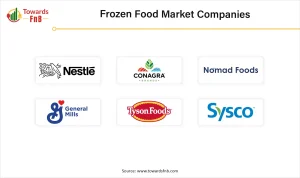
1.Nestlé
- Company Overview: Nestlé, a global food and beverage giant, holds a dominant position in the frozen food market, with a comprehensive portfolio ranging from frozen meals to desserts and ice creams.
- Recent Moves: In May 2024, Nestlé launched Vital Pursuit, a new line of frozen meals targeting consumers on weight loss medications, like Ozempic, with nutritionally balanced options.
- Competitive Edge: Nestlé’s strength lies in its widespread distribution channels, brand recognition, and continued innovation in creating health-conscious frozen meals.
- Future Outlook: With a focus on clean-label frozen foods and the rise in health-conscious eating, Nestlé is set to lead the market with further product diversification and regional expansion.
2.Conagra Brands
- Company Overview: Conagra Brands, known for products like Marie Callender’s and Healthy Choice, is a major player in the frozen food industry, offering ready-to-eat meals, snacks, and vegetables.
- Recent Moves: In 2025, Conagra is expanding its frozen offerings with a focus on plant-based and sustainable options to meet the growing demand for healthier, environmentally friendly meals.
- Competitive Edge: Conagra excels in its ability to quickly adapt to market demands, such as introducing plant-based frozen foods, which appeals to both health-conscious and vegan consumers.
- Future Outlook: The company is investing heavily in improving its supply chain and expanding its frozen meal offerings, especially in international markets, to take advantage of the rising demand for quick, healthy meals.
3.Nomad Foods
- Company Overview: Nomad Foods owns popular frozen food brands such as Birds Eye and Findus, which are recognized for their focus on healthy, frozen vegetables and seafood.
- Recent Moves: In 2024, Nomad expanded its sustainability initiatives, committing to carbon-neutral production by 2025 and expanding its range of organic frozen vegetables.
- Competitive Edge: Nomad’s focus on sustainability and quality control in sourcing frozen vegetables gives it a strong position in the market. Their brand is synonymous with nutritional value and convenience.
- Future Outlook: As health and sustainability become more important to consumers, Nomad is likely to continue growing its organic and plant-based frozen food lines while expanding into new geographical markets.
4.Tyson Foods
- Company Overview: Tyson Foods is one of the largest suppliers of frozen meat and poultry products, offering everything from chicken nuggets to frozen dinners.
- Recent Moves: Tyson is increasingly focusing on plant-based alternatives to meet the demand for healthier and environmentally sustainable food options.
- Competitive Edge: Tyson’s large-scale production, strong relationships with suppliers, and significant presence in both retail and foodservice sectors allow it to dominate the frozen meat segment.
- Future Outlook: Tyson is investing heavily in plant-based products, setting the stage to diversify its product range in response to consumer preferences shifting towards non-meat frozen food options.
5.McCain Foods
- Company Overview: McCain Foods is a leader in frozen potatoes, known for its frozen French fries, as well as a range of frozen snacks and meals.
- Recent Moves: McCain continues to innovate with healthier versions of its frozen potato products, including options with lower sodium and fats.
- Competitive Edge: McCain’s global footprint and focus on high-quality, consistently excellent frozen potato products allow it to stay at the forefront of the frozen foods sector.
- Future Outlook: McCain is expected to expand its product portfolio with more healthy, sustainable frozen foods while exploring new distribution channels like e-commerce platforms.
6.Ajinomoto Co., Inc.
- Overview: Ajinomoto specializes in frozen Asian cuisine, offering a variety of frozen meals and snacks, particularly focusing on high-quality frozen rice dishes.
- Key Products: Frozen rice, dumplings, and prepared Asian meals.
- 2025 Focus: Expanding frozen Asian meal options and increasing market presence globally.
7. Unilever
- Overview: Unilever offers a variety of frozen food products through its portfolio, including premium and plant-based options.
- Key Products: Ben & Jerry’s (ice cream), Birds Eye (frozen meals and vegetables), and Hellmann’s frozen products.
- 2025 Focus: Growing plant-based and sustainable frozen offerings, alongside a strong commitment to environmental sustainability.
8. General Mills
- Overview: General Mills is a significant player in the frozen food industry, offering a wide range of products, from frozen meals to snacks and desserts.
- Key Products: Totino’s pizza rolls, Green Giant frozen vegetables, and Betty Crocker frozen meals.
- 2025 Focus: Focus on health-conscious, frozen snacks and expanding organic and plant-based options.
9. McCormick & Company
- Overview: Known for its spices and seasonings, McCormick is also a key player in frozen meals, particularly in ethnic and global cuisines.
- Key Products: McCormick frozen ready meals, sauces, and spice-based meal kits.
- 2025 Focus: Expanding frozen meal options with global flavors and introducing more sustainable packaging solutions.
10. Wardwizard Foods & Beverages
- Overview: A rising player in the frozen food market, Wardwizard Foods & Beverages is expanding its product line to include frozen meals, snacks, and ready-to-eat Indian dishes.
- Key Products: Frozen Indian ready meals, soups, and snacks.
- 2025 Focus: Expanding international exports, particularly to North America, the UAE, and Canada, and growing the frozen food category in India.
Invest in Our Premium Strategic Solution: https://www.towardsfnb.com/price/5483
Why Competition Is Intensifying in the Frozen Food Market
- The frozen food industry is becoming increasingly competitive, and several factors contribute to this intensified rivalry:
- Changing Consumer Preferences: As consumers become more health-conscious, brands are scrambling to offer clean-label, organic, and plant-based options to cater to a broader audience.
- E-Commerce Expansion: The rise of online grocery shopping is providing new opportunities for both established companies and smaller startups to reach consumers directly, making the market more competitive.
- Innovation in Freezing and Packaging: Advances in freezing technologies like IQF (Individual Quick Freezing) and improved packaging solutions have allowed frozen foods to maintain their nutritional integrity, thus attracting more health-focused buyers.
- Private Label Brands: Supermarkets are increasingly launching their own frozen food lines, offering consumers more affordable options that are putting pressure on traditional brands.
What’s Next: 2025-2030 Outlook
- Healthy Frozen Foods Will Dominate: Health-conscious consumers will continue to drive demand for products that are free from artificial preservatives and additives, pushing more brands to offer clean-label, plant-based, and organic frozen foods.
- E-Commerce Growth: Online grocery shopping will continue to grow, with brands investing in their e-commerce strategies to ensure consumers can easily access frozen food from the comfort of their homes.
- Technological Advancements in Freezing and Packaging: Expect more advancements in freezing technologies like cryogenic and blast freezing, as well as smarter, more sustainable packaging solutions that reduce food waste and environmental impact.
- Sustainability and Carbon Neutrality: Many brands, including Nomad Foods, are on track to achieve carbon neutrality by the end of the decade, aligning with consumer expectations for sustainable and eco-friendly production processes.
Future Outlook
What Does This Mean for Buyers, Investors, and Industry Leaders?
The frozen food market in 2025 is full of opportunity but also intense competition. For buyers, it’s an exciting time, as the sector continues to diversify with healthier, more sustainable options that align with today’s eating habits. For investors, the frozen food industry presents lucrative growth opportunities, especially in plant-based, organic, and e-commerce-driven niches. Lastly, industry leaders must innovate, adapt to changing consumer needs, and invest in technology to stay ahead in this increasingly competitive landscape.
For all players in the market, the next five years will be crucial in determining who leads the charge into the future of frozen food.
Become a Valued Research Partner with Us – Schedule a meeting: https://www.towardsfnb.com/schedule-meeting
Feel Free to Get in Touch with Us for Orders or Any Questions at: sales@towardsfnb.com
Unlock expert insights, custom research, and premium support with the FnB Market Pulse Annual Membership. For USD 495/month (billed annually), get full access to exclusive F&B market data and personalized guidance. It’s your strategic edge in the food and beverage industry: https://www.towardsfnb.com/get-an-annual-membership
About Us
FnB Market Pulse is a global consulting firm specializing in the food and beverage industry, providing innovative solutions and expert guidance to elevate businesses. With an in-depth understanding of the dynamic F&B sector, we deliver customized market analysis and strategic insights. Our team of seasoned professionals is committed to empowering clients with the knowledge needed to make informed decisions, ensuring they stay ahead of market trends. Partner with us as we redefine success in the rapidly evolving food and beverage landscape, and together, we’ll navigate this transformative journey.