
The global artificial preservatives market is poised for significant growth, driven by the increasing demand for long-lasting, safe, and convenient products across various industries. With the market expected to grow from USD 3.97 billion in 2025 to approximately USD 6.53 billion by 2034, the next decade will see a compound annual growth rate (CAGR) of 5.7%. This growth is largely attributed to the surge in consumption of ready-to-eat foods, innovations in preservative formulations, and the continued rise of the global food and beverage, pharmaceutical, and cosmetics industries.
But why does 2025 matter? This year marks a critical juncture where the global demand for convenience foods, pharmaceuticals, and cosmetics is converging with advancements in preservative technology. Companies are racing to meet consumer expectations for longer shelf life, food safety, and healthier, cleaner ingredients. For investors, buyers, and industry leaders, understanding the forces driving growth in this market is essential for positioning themselves for success.
Key Takeaways for 2025
- Market Expansion: The artificial preservatives market is expected to grow significantly, with a projected market size of USD 3.97 billion in 2025 and an estimated value of USD 6.53 billion by 2034.
- Rising Demand for Convenience: The market is largely driven by the growing preference for processed and ready-to-eat foods, particularly in urban areas.
- Technology and Innovation: New formulations and technological advancements in preservatives, such as enhanced antimicrobial properties, are reshaping the industry.
- Shifting Consumer Preferences: As consumers become more health-conscious, there is an increasing demand for natural and clean-label preservatives, challenging companies to innovate.
- Regional Growth: While North America leads the market, Asia Pacific is expected to witness the highest growth due to increasing disposable incomes and rising demand for processed foods.
Want to Explore More? Get a Free Sample Report:
https://www.towardsfnb.com/download-sample/5631
2025 Buyer Playbook: What Drives Purchase Decisions and Deals?
1. Consumer Demand for Convenience and Safety
The driving force behind the artificial preservatives market in 2025 is the global demand for convenience. Consumers increasingly prefer ready-to-eat meals, packaged snacks, and processed foods that are quick, easy, and long-lasting. Artificial preservatives like nitrites, benzoates, and sorbates play a critical role in maintaining food safety and extending shelf life, ensuring products remain fresh and safe for consumption. For buyers, particularly in the food and beverage industry, the focus is on preserving product quality without compromising on taste, texture, or nutrition.
2. Technology and Innovation in Preservation
Innovations in preservative formulations are key to keeping up with the evolving market needs. Companies are investing heavily in developing new types of preservatives that are more effective and compatible with the growing demand for healthier food options. These innovations include enhancing antimicrobial properties, developing preservatives with cleaner labels, and incorporating more sustainable ingredients. As buyers, understanding the technological advancements and their impact on both cost-effectiveness and product quality will be crucial for securing long-term success in the market.
3. Health-Conscious Consumer Preferences
The growing awareness of the potential side effects of artificial preservatives is shaping purchasing decisions. As health-conscious consumers demand cleaner, more transparent labels, there is an opportunity for manufacturers to blend natural preservatives with artificial ones to cater to this shift. Buyers and industry leaders who can balance consumer preferences for both shelf stability and healthier options will find themselves well-positioned to thrive.
In-Depth Company Profiles: The Market Leaders in 2025
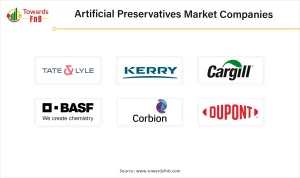
1. Kerry Group
- Overview: Kerry Group is a global leader in the food ingredients sector, with a strong portfolio of artificial preservatives used in food, beverage, and pharmaceutical applications.
- Recent Moves: Kerry recently expanded its range of clean-label preservatives to meet the increasing demand for healthier, more natural ingredients.
- Competitive Edge: Kerry’s commitment to innovation and its broad market presence give it an edge in providing cost-effective and sustainable preservation solutions.
- Future Outlook: With ongoing investments in R&D, Kerry is expected to continue leading the market, particularly in North America and Europe, as demand for clean-label options rises.
2. Cargill, Incorporated
- Overview: Cargill is a major player in the global food and agricultural markets, including artificial preservatives for food safety and shelf life extension.
- Recent Moves: Cargill has been focusing on expanding its portfolio of food-safe preservatives, with a growing emphasis on sustainability and environmental impact.
- Competitive Edge: Cargill’s vast distribution network and R&D capabilities enable it to deliver innovative preservative solutions that meet the growing demand for both efficiency and sustainability.
- Future Outlook: Cargill is likely to expand its global presence, focusing on innovation in preservatives that align with the growing demand for plant-based and clean-label products.
3. Tate & Lyle PLC
- Overview: Tate & Lyle is a leading global supplier of food ingredients, including artificial preservatives that enhance food safety and stability.
- Recent Moves: The company has recently increased its focus on developing preservatives that are more compatible with organic and non-GMO food products.
- Competitive Edge: Tate & Lyle’s ability to develop both synthetic and natural preservatives gives it a unique edge in catering to diverse consumer preferences.
- Future Outlook: As demand for clean and natural food options grows, Tate & Lyle is well-positioned to continue offering solutions that balance food safety with consumer health.
4. Corbion N.V.
- Overview: Corbion specializes in sustainable and innovative food ingredients, including preservatives that extend shelf life without compromising quality.
- Recent Moves: Corbion has recently launched a range of bio-based preservatives to cater to the growing demand for environmentally friendly food solutions.
- Competitive Edge: Corbion’s focus on sustainability and clean-label products makes it a preferred choice for companies looking to align with eco-conscious consumer trends.
- Future Outlook: With increasing demand for sustainable food options, Corbion is poised for growth, particularly in markets like Europe and North America, where sustainability is a key consumer driver.
5. DuPont de Nemours, Inc.
- Overview: DuPont is a global leader in industrial biosciences and food ingredients, providing a wide array of artificial preservatives for various applications.
- Recent Moves: DuPont has recently invested in biotechnological advancements to develop more effective preservatives that cater to the growing demand for organic and natural foods.
- Competitive Edge: DuPont’s innovative approach and strong research capabilities give it a competitive advantage in developing cutting-edge preservatives that meet evolving consumer demands.
- Future Outlook: DuPont is likely to continue growing in the food preservation space, especially as the demand for clean and natural alternatives increases.
6. BASF SE
- Overview: BASF is one of the world’s largest chemical companies, with a strong presence in the food preservation industry, providing antimicrobial preservatives.
- Recent Moves: BASF has been focusing on launching preservative solutions that address both food safety and sustainability, in line with the increasing consumer demand for natural ingredients.
- Competitive Edge: BASF’s extensive experience in chemicals and biotechnology allows it to develop highly effective and scalable preservatives.
- Future Outlook: BASF is well-positioned to capitalize on the growing demand for both synthetic and natural preservatives, especially in the food and beverage industry.
7. Archer Daniels Midland Company (ADM)
- Overview: ADM is a major player in the food ingredients market, with a focus on providing food safety solutions, including preservatives.
- Recent Moves: ADM has been increasing its product offerings in the natural preservative segment, responding to the growing consumer shift towards clean-label products.
- Competitive Edge: ADM’s vast global network and commitment to sustainability make it a strong player in the market for food preservation solutions.
- Future Outlook: With increasing demand for health-conscious and clean-label products, ADM is expected to expand its offerings in the natural preservative space.
8. Koninklijke DSM N.V.
- Overview: DSM is a global science-based company providing food ingredients, including preservatives that help extend product shelf life.
- Recent Moves: DSM has recently focused on developing more sustainable and natural preservatives to align with consumer demand for cleaner food products.
- Competitive Edge: DSM’s strong R&D capabilities and commitment to sustainability set it apart from competitors in the food ingredients space.
- Future Outlook: DSM is expected to continue leading the market by developing innovative preservatives that align with global health and sustainability trends.
9. Chr. Hansen Holding A/S
- Overview: Chr. Hansen specializes in natural food solutions, including preservatives, and has a strong focus on the dairy, food, and beverage industries.
- Recent Moves: The company has invested in bioprotective cultures, which provide natural preservatives that help extend shelf life without compromising food quality.
- Competitive Edge: Chr. Hansen’s focus on natural ingredients gives it a unique position in the market, catering to health-conscious consumers seeking cleaner food options.
- Future Outlook: Chr. Hansen is likely to grow its market share as demand for natural preservatives in food and beverages continues to rise.
10. Kemin Industries, Inc.
- Overview: Kemin Industries is a global leader in food preservation, providing solutions that help extend product shelf life while maintaining quality.
- Recent Moves: Kemin has expanded its offerings to include plant-based preservatives, meeting the growing demand for natural food ingredients.
- Competitive Edge: Kemin’s dedication to sustainability and innovation positions it as a key player in the clean-label preservative market.
- Future Outlook: Kemin is expected to continue expanding its footprint, particularly in the natural preservative space, as consumer demand for healthier food products rises.
Invest in Our Premium Strategic Solution: https://www.towardsfnb.com/checkout/5631
Why Competition Is Intensifying in the Market
The artificial preservatives market is becoming more competitive due to several factors:
- Consumer Preferences: The growing shift towards cleaner, more natural ingredients is forcing companies to innovate and adapt, balancing food safety with consumer health trends.
- Technological Advancements: The development of more effective preservatives that do not compromise the food’s nutritional value or taste is driving companies to improve their offerings continually.
- Regulatory Pressure: As governments around the world tighten regulations on food additives, companies must stay ahead of regulatory changes and meet consumer demand for transparency and safety.
What’s Next (2025-2030): Outlook for the Artificial Preservatives Market
Looking ahead, the artificial preservatives market will continue to evolve in response to shifting consumer preferences and technological innovations:
- Natural and Clean-Label Products: The demand for natural preservatives will continue to rise, with companies focusing on bio-based and organic ingredients.
- Regulatory Adaptation: As regulatory bodies impose stricter standards, companies will need to invest in compliance, which could drive innovation and product differentiation.
- Technological Integration: The use of AI and other technologies to create smarter, more efficient preservatives will likely become a key trend, driving competition and market growth.
Future Outlook
What This Means for Buyers, Investors, and Industry Leaders
For buyers and investors, the artificial preservatives market offers significant opportunities, especially for those who prioritize sustainability and health-conscious products. As the market grows, companies that invest in cleaner, more natural preservative options will be at the forefront. For industry leaders, staying ahead will require a blend of innovation, sustainability, and regulatory compliance to meet the evolving demands of the global marketplace. As the market continues to expand, those who adapt to these trends will be best positioned to succeed.
Become a Valued Research Partner with Us – Schedule a meeting: https://www.towardsfnb.com/schedule-meeting
Feel Free to Get in Touch with Us for Orders or Any Questions at: sales@towardsfnb.com
Unlock expert insights, custom research, and premium support with the FnB Market Pulse Annual Membership. For USD 495/month (billed annually), get full access to exclusive F&B market data and personalized guidance. It’s your strategic edge in the food and beverage industry: https://www.towardsfnb.com/get-an-annual-membership
About Us
FnB Market Pulse is a global consulting firm specializing in the food and beverage industry, providing innovative solutions and expert guidance to elevate businesses. With an in-depth understanding of the dynamic F&B sector, we deliver customized market analysis and strategic insights. Our team of seasoned professionals is committed to empowering clients with the knowledge needed to make informed decisions, ensuring they stay ahead of market trends. Partner with us as we redefine success in the rapidly evolving food and beverage landscape, and together, we’ll navigate this transformative journey.